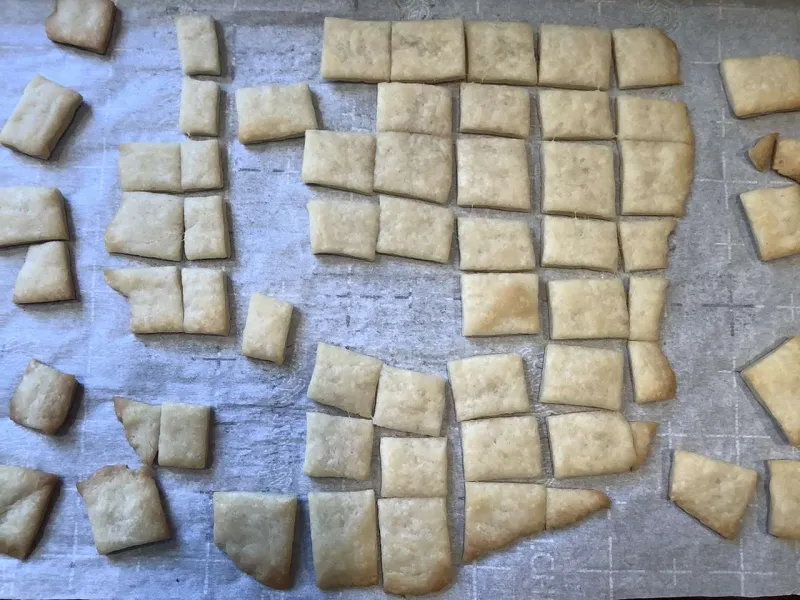
Unleavened bread is an essential component of the Christian tradition of communion, also known as the Eucharist or Lord's Supper. This simple bread is used to symbolize the body of Christ and is an important part of the religious sacrament. The use of unleavened bread has its roots in the Jewish tradition, where leaven, or yeast, is seen as a symbol of impurity and sin. As such, the bread used for communion is intentionally made without leaven, to represent the purity and sinlessness of Jesus...
Unleavened bread is an essential component of the Christian tradition of communion, also known as the Eucharist or Lord's Supper. This simple bread is used to symbolize the body of Christ and is an important part of the religious sacrament. The use of unleavened bread has its roots in the Jewish tradition, where leaven, or yeast, is seen as a symbol of impurity and sin. As such, the bread used for communion is intentionally made without leaven, to represent the purity and sinlessness of Jesus.
When preparing unleavened bread for communion, it is important to use simple, straightforward ingredients. The recipe typically calls for flour, water, and salt, with no additional leavening agents such as yeast or baking powder. The result is a simple, flat bread that is easy to break and share among the congregation.
While there are many variations of unleavened bread used in different Christian denominations, the basic recipe remains the same. This bread is often made in small, round shapes to symbolize the simplicity and humility of Jesus' sacrifice. The bread is usually broken and distributed among the members of the congregation as a reminder of the last supper, where Jesus shared bread with his disciples and instructed them to do the same in remembrance of him.
Preparing unleavened bread for communion is a meaningful and symbolic tradition that is cherished by many Christians around the world. Whether made at home or in a church setting, the process of making this bread brings a sense of reverence and contemplation. As the bread is passed among the congregation, it serves as a powerful reminder of the sacrifice and love of Jesus Christ. With its rich historical and spiritual significance, the tradition of using unleavened bread for communion continues to be an integral part of Christian worship and fellowship. In this recipe, we will outline the steps to make unleavened bread for communion, following the simple and traditional method that has been passed down through generations of faithful believers.