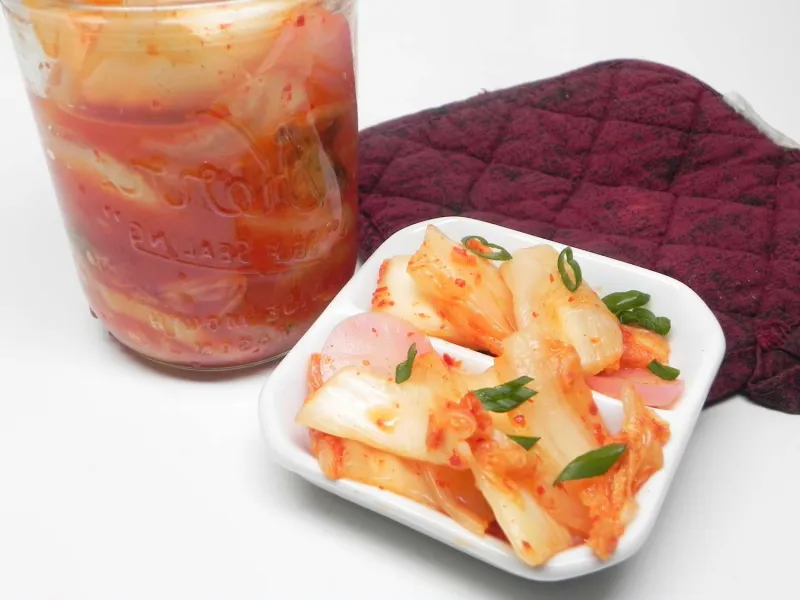
Kimchi is a traditional Korean dish that dates back to ancient times. It is a fermented vegetable dish that is known for its spicy and tangy flavor, as well as its incredible health benefits. The most traditional type of kimchi is made with Napa cabbage, but there are many variations that use other vegetables such as radishes, cucumbers, and scallions.
Kimchi is a staple in Korean cuisine and is often served as a side dish with meals. It is also used as an ingredient in many Korean di...
Kimchi is a traditional Korean dish that dates back to ancient times. It is a fermented vegetable dish that is known for its spicy and tangy flavor, as well as its incredible health benefits. The most traditional type of kimchi is made with Napa cabbage, but there are many variations that use other vegetables such as radishes, cucumbers, and scallions.
Kimchi is a staple in Korean cuisine and is often served as a side dish with meals. It is also used as an ingredient in many Korean dishes, adding a unique flavor and depth to the dish. The process of making kimchi involves salting the vegetables, adding a spicy seasoning mixture, and then allowing the mixture to ferment over a period of time. This fermentation process not only enhances the flavor of the vegetables, but also creates beneficial probiotics that are great for gut health.
The ingredients for traditional kimchi typically include Napa cabbage, Korean radish, green onions, garlic, ginger, Korean red pepper flakes, fish sauce, and salt. These ingredients are mixed together to create a spicy and flavorful seasoning paste that is then massaged into the vegetables. The kimchi is then packed into airtight containers and left to ferment for anywhere from a few days to several weeks, depending on personal preference.
While kimchi can be purchased at most grocery stores these days, there is something truly special about making your own traditional kimchi at home. Not only is it a fun and rewarding process, but homemade kimchi allows you to customize the flavor and level of spiciness to your liking. Plus, you can feel confident knowing exactly what ingredients are going into your kimchi, and that it is free from any unnecessary additives or preservatives.
In this recipe, we will walk through the process of making traditional kimchi step-by-step, so you can experience the joy of making this beloved Korean dish in your own kitchen. Whether you are new to kimchi or a seasoned pro, this recipe is sure to result in a delicious and authentic batch of kimchi that you can enjoy with your favorite Korean dishes, or simply on its own as a flavorful and probiotic-rich snack.