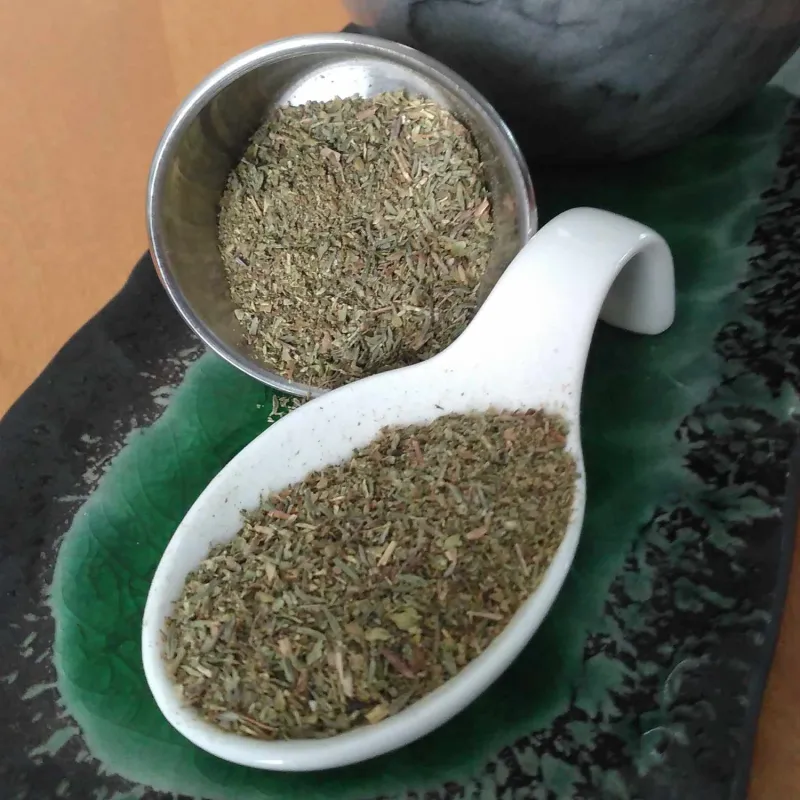
Italian cuisine is well-loved for its bold flavors and aromatic herbs. One essential ingredient for many Italian dishes is Italian seasoning, a blend of dried herbs and spices that adds a burst of flavor to pasta, pizza, and grilled meats. While store-bought Italian seasoning can be convenient, making your own blend at home allows you to customize the flavors and ensure a fresh, high-quality mix. This recipe for Italian Seasoning II offers a well-balanced blend of herbs that will elevate your...
Italian cuisine is well-loved for its bold flavors and aromatic herbs. One essential ingredient for many Italian dishes is Italian seasoning, a blend of dried herbs and spices that adds a burst of flavor to pasta, pizza, and grilled meats. While store-bought Italian seasoning can be convenient, making your own blend at home allows you to customize the flavors and ensure a fresh, high-quality mix. This recipe for Italian Seasoning II offers a well-balanced blend of herbs that will elevate your Italian-inspired dishes to a whole new level.
The key to a great Italian seasoning blend is the combination of the right herbs and spices, and this recipe has the perfect mix to bring out the authentic flavors of Italy. This blend uses dried basil, oregano, thyme, rosemary, and red pepper flakes, which are all staple ingredients in Italian cooking. The aromatic herbs and spicy kick from the red pepper flakes create a versatile and flavorful seasoning that can be added to countless dishes.
By making your own Italian seasoning at home, you can control the quality and freshness of the ingredients. Store-bought seasonings can often be stale and lack the vibrant flavors that come from using freshly dried herbs. Plus, making your own blend allows you to customize the flavors to your preference. Whether you like a little extra heat, a stronger herb taste, or a milder blend, you have the flexibility to tailor this seasoning to your liking.
Not only is this Italian Seasoning II recipe easy to make, but it also allows you to experiment with different variations and additions. Some optional ingredients you may consider adding to this blend include garlic powder, onion powder, and dried marjoram. These additional ingredients can add depth and complexity to your seasoning for an even more robust flavor profile.
Overall, this recipe for Italian Seasoning II is an essential addition to any home cook's spice cabinet. Its versatility and rich, aromatic flavors make it a must-have for anyone who loves to cook Italian cuisine or simply wants to enhance the flavors of their everyday dishes. Once you try making your own Italian seasoning, you'll never want to go back to store-bought blends again! So, gather your herbs and spices, and get ready to elevate your cooking with this delicious homemade Italian seasoning. Buon appetito!