How to Make Cochinita Pibil - A Step-by-Step Guide
Cochinita pibil is a traditional Mexican dish that originated in the Yucatan Peninsula. It is a flavorful and aromatic dish that features tender, slow-cooked pork marinated in a blend of citrus juices and achiote paste, then wrapped in banana leaves and cooked until it is fall-apart tender. This dish has been enjoyed for centuries, and its roots can be traced back to the ancient Mayan civilization.
Cochinita pibil is a dish that is steeped in history and tradition. The name "cochinita...
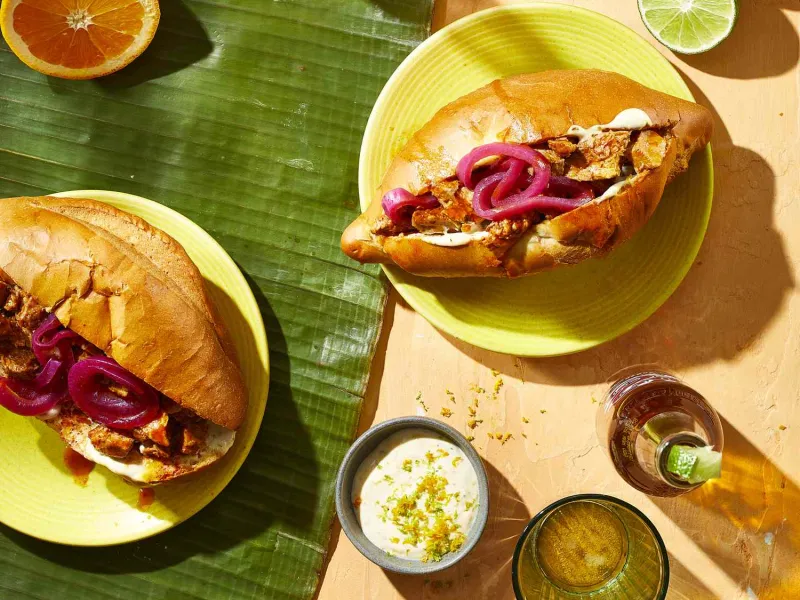
Ingredients
- 2 pounds pork butt roast with bone
- 2 tablespoons achiote paste
- ⅓ cup orange juice
- ⅔ cup fresh-squeezed lemon juice
- 2 habanero peppers, seeded and chopped
- 1 teaspoon ground cumin
- 1 teaspoon paprika
- 1 teaspoon chili powder
- 1 teaspoon ground coriander
- salt and pepper to taste
- ½ cup red wine vinegar
- 2 red onions, sliced into rings
Information
- Prep Time: 30 mins
- Cook Time: 2 hrs
- Total Time: 2 hrs 30 mins
- Servings: 6
- Yield: 6 servings
Nutrition
222 cal.
- Total Fat: 12g
- Saturated Fat: 4g
- Cholesterol: 60mg
- Sodium: 58mg
- Total Carbohydrate: 10g
- Dietary Fiber: 1g
- Total Sugars: 4g
- Protein: 19g
- Vitamin C: 24mg
- Calcium: 36mg
- Iron: 1mg
- Potassium: 2127mg